



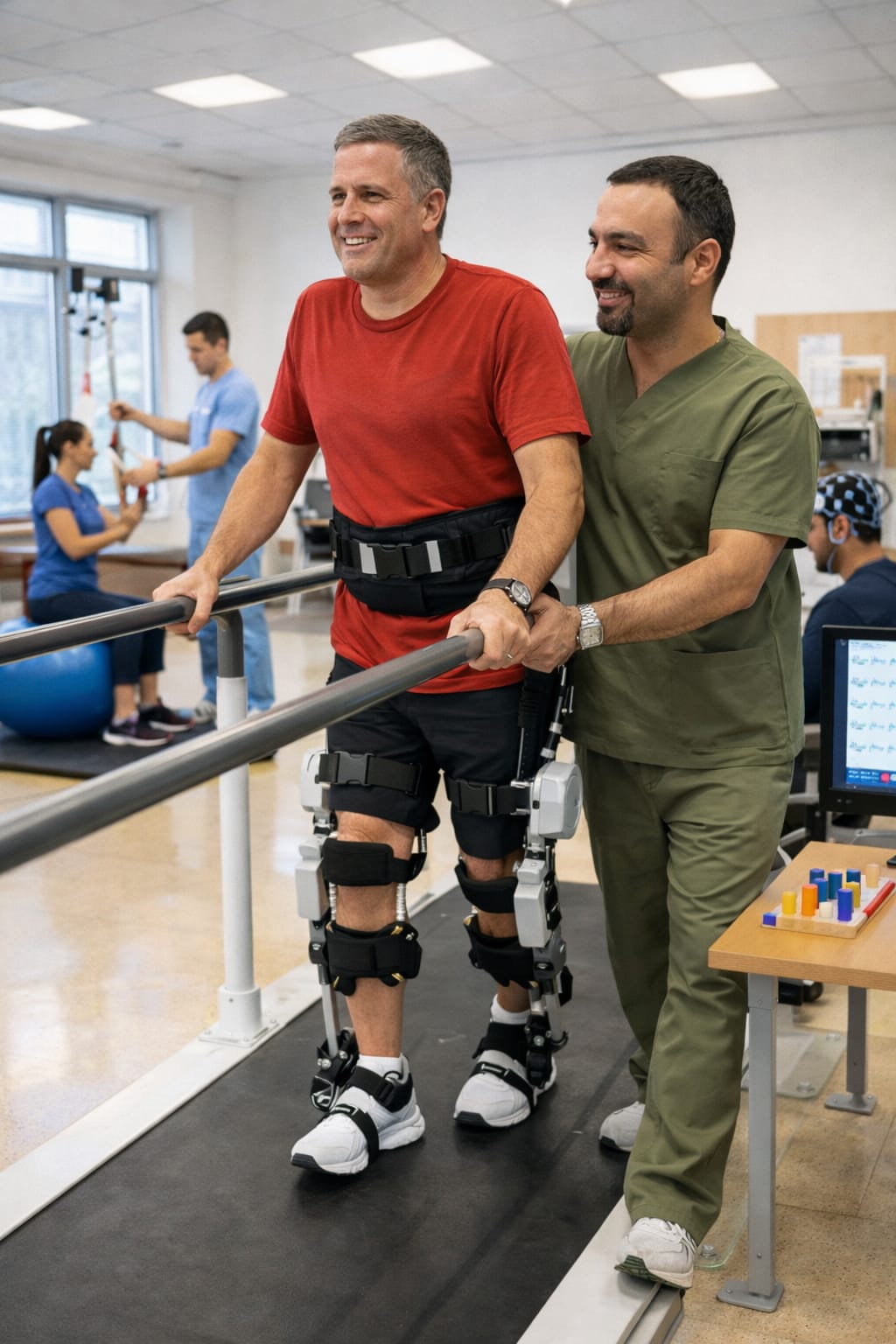
Neurological Rehabilitation
Neurological rehabilitation is a specialized physiotherapy approach designed to improve movement, function, and independence in individuals with disorders of the nervous system. It aims to enhance quality of life by supporting motor control, balance, coordination, and daily functional abilities through personalized, evidence-based treatment programs.
Benefits of Neurological Rehabilitation
-
Improves balance, coordination, and posture
-
Enhances muscle strength and motor control
-
Supports functional independence in daily activities
-
Reduces muscle stiffness and spasticity
-
Promotes neuroplasticity and functional recovery
-
Improves overall mobility and safety
Who Is It Suitable For?
Neurological rehabilitation is suitable for individuals with conditions such as:
-
Stroke (paralysis)
-
Multiple Sclerosis (MS)
-
Parkinson’s disease
-
Traumatic brain injury
-
Spinal cord injury
-
Other neurological disorders affecting movement
How Is It Applied?
Treatment begins with a detailed neurological assessment conducted by a physiotherapist. Based on the individual’s condition, goals, and functional level, a customized rehabilitation program is created. Therapy may include therapeutic exercises, balance and gait training, functional activities, manual techniques, and supportive technologies.
Neurological rehabilitation focuses not only on recovery, but also on helping individuals regain confidence, independence, and the ability to participate more actively in daily life.
Physiotherapy Exercises Offered by the Clinic
Muscle-Strengthening Exercises: Increasing muscle strength is important to support the body and make daily activities easier. The clinic may offer muscle-strengthening exercises using special resistance bands, weights, or exercise machines.
Flexibility Exercises: Flexibility exercises help increase muscle flexibility and joint range of motion. Flexibility exercises increase mobility and are generally performed through reaching and stretching exercises.
Balance Exercises: Balance exercises help reduce the risk of falls while improving balance. In the clinic, balance exercises can be performed using balance boards, a ball, or special exercises.
Coordination Exercises: Coordination exercises enable muscles to work together and improve motor control. These exercises are often combined with balance exercises and help daily activities to be performed more effectively.
Pain Management Exercises: In cases of chronic pain, specific exercises can help reduce and control pain. These exercises often include low-impact aerobic exercises, breathing exercises, and techniques to reduce muscle tension.

